
Experienced Business Law, Personal Injury And Estate Planning Lawyers Partnering With You
Don’t lose sleep over your case; let our team do whatever it takes to relieve your stress and make your situation right. Managing a variety of legal areas – including business transactions and litigation, injury claims and wills – our Dayton-based attorneys at StachlerHarmon have the knowledge to help you seek real solutions.
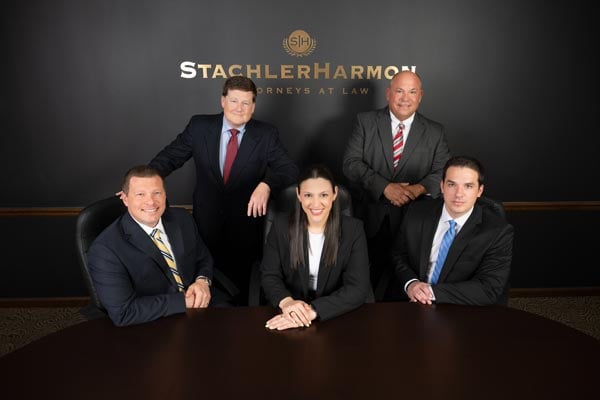
Solving Legal Problems In Dayton And The Surrounding Communities
Practice Areas




Trusted Local Legal Support
Life is full of unexpected moments. When you’re suddenly faced with a difficult legal decision regarding your future, our skilled attorneys can help. At StachlerHarmon, they are deeply invested in our community, proudly serving clients in Dayton as well as Centerville, Springboro, Miamisburg, Vandalia, Cincinnati and the surrounding areas.
If you’re forming or growing a business, our experienced lawyers can help you with your unique legal needs. They provide goal-focused representation in business disputes and transactions, as well as collections, commercial and construction litigation.
When you suffer injuries in an accident, our team can help ease the burden of stress you’re under. Our attorneys are well-versed in personal injury claims. They can help you pursue solutions that will secure the full financial relief you need.
Our lawyers also assist with estate planning and probate concerns. Whether you are planning for the future or navigating legal issues related to a loved one’s passing, our attorneys can guide you forward.
Additionally, we offer mediation services to help you seek amicable resolutions to legal disputes.
Personalized Service From A Collaborative Team
At StachlerHarmon, your success is our attorneys’ success. They take a personal approach to every case. By coaching you through the legal process, they’ll equip you with the tools necessary to help you solve your problem. However, that doesn’t mean you’ll go through it alone. Our team will be by your side every step of the way.
When you work with our lawyers, they won’t assign a solo attorney to your case; our entire team will pool its combined knowledge to bring possible solutions to the table. Through this process, our attorneys will be able to sift through ideas to determine the right strategy for your unique situation.
Placeholder Case Result 1
Placeholder Case Result Description 1
Placeholder Case Result 2
Placeholder Case Result Description 2
Placeholder Case Result 3
Placeholder Case Result Description 3
Placeholder Case Result 4
Placeholder Case Result Description 4
Client Testimonials
Testimonial 1
Placeholder client testimonial 1
Testimonial 2
Placeholder client testimonial 2
Testimonial 3
Placeholder client testimonial 3






Don’t Face Your Legal Problems Alone
By hiring our team at StachlerHarmon, you’ll be working directly with attorneys, not paralegals. You’ll get access to a wealth of experience drawn from years of local legal practice. Our team will listen to your concerns, discuss your goals and work hard to pursue them. If you need knowledgeable representation, call us at 937-250-1912 or email us today to schedule a consultation and see how our lawyers can help you.
Your Dedicated Team of Attorneys
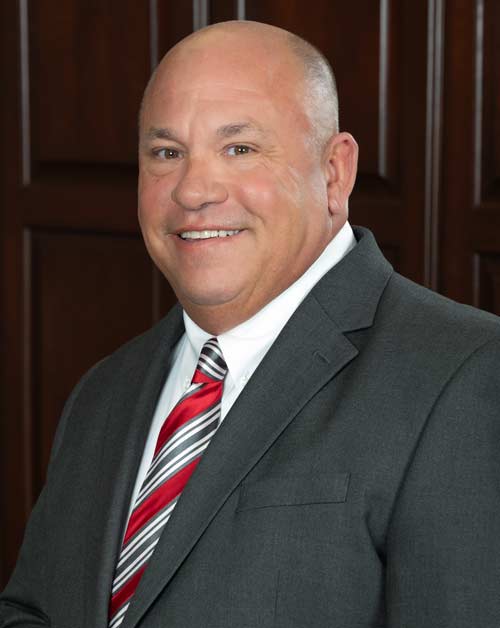
John H. Stachler
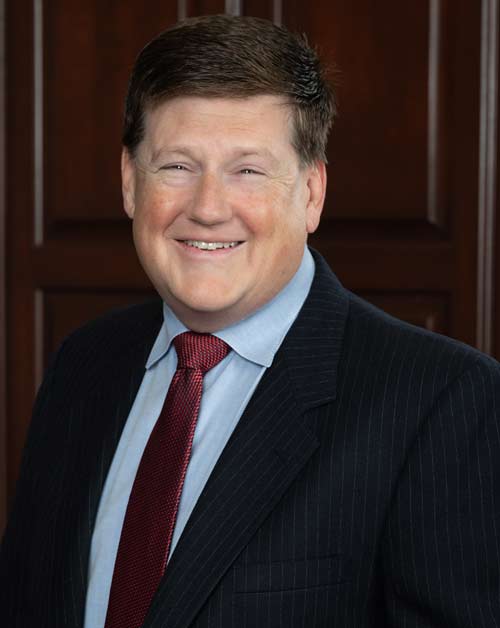
Sean H. Harmon
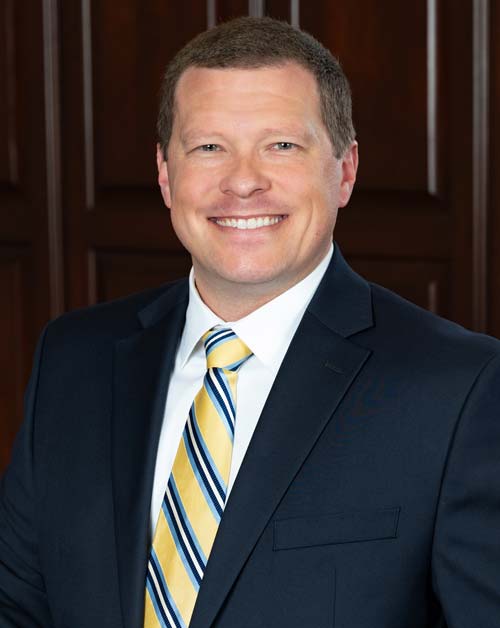
Matthew T. Tipton
Matt enjoys coaching our clients through difficult situations and helping them find effective solutions.
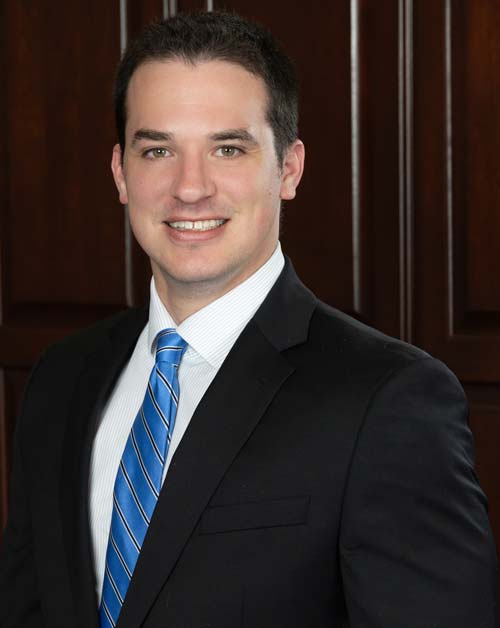
Adam M. Pitchel
Adam crafts creative legal strategies personalized to the needs of our clients.
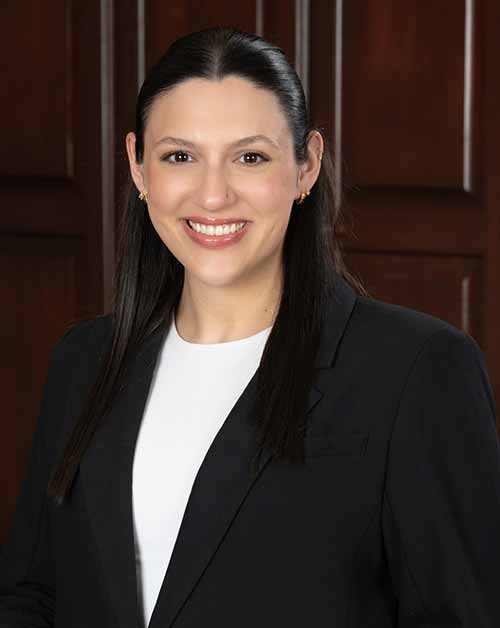
Reagan M. Hanna
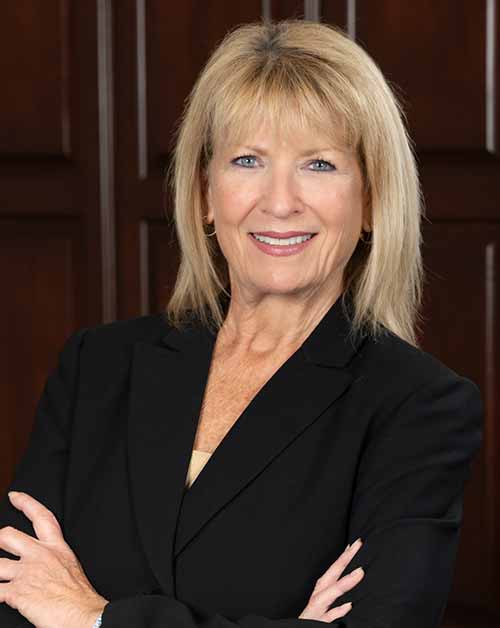
Diane W. Medina
Turn to a compassionate, educated team of attorneys.